
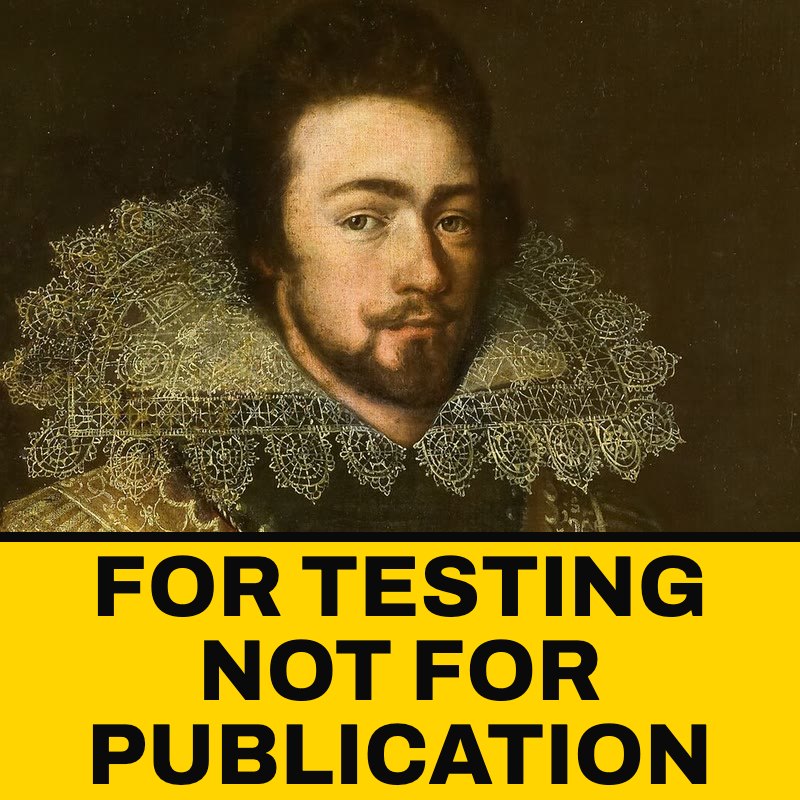
Test portrait 1
Placeholder — layout test only
Forty to sixty words on what this person controls and how they connect to the others on this page. One fact per sentence.
Section label · four words maximum
The standfirst runs 40 to 60 words. It names the actors, sets the stakes and tells the reader what the next ten minutes give them that a wire story cannot. Write it last, after the piece is finished.
The opening paragraph carries the reader from the standfirst into the story. Keep it concrete: one place, one person, one moment. The first line sets in small caps automatically — a wire convention, not decoration.
Body paragraphs run 60 to 90 words. The reading column is fixed at 33rem so the line length stays between 60 and 75 characters at every screen size, which is where sustained reading stops being work.
Use bold for the names that matter — the reader is scanning for actors, and this is how they find them. Links carry a red underline: an earlier AA report sends readers back to the wire, which is the point of the Lab.
Pull quotes are for sentences that change the reader's mind, not for the ones that summarise the paragraph above.
Name, title · Interview, Istanbul
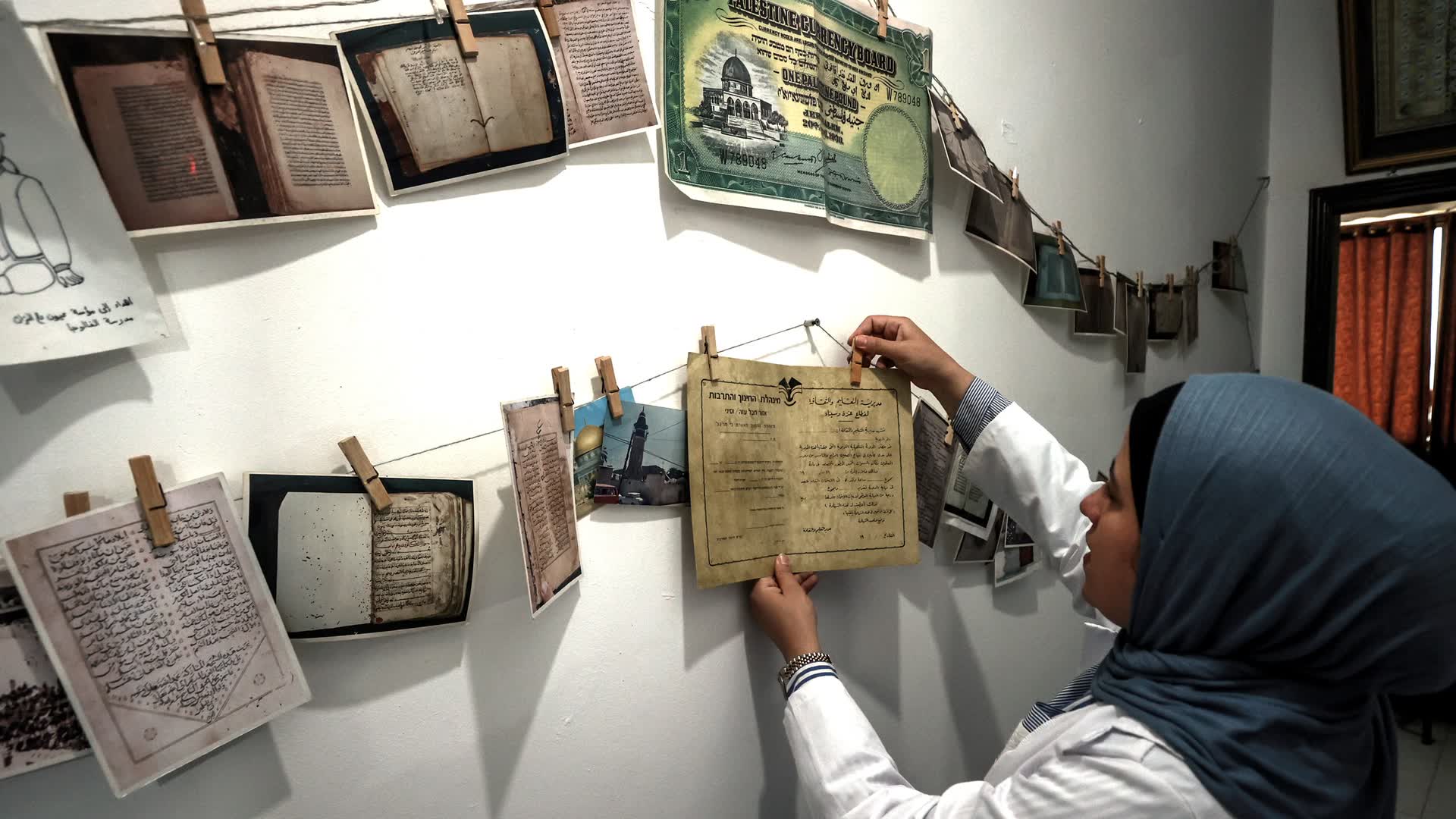
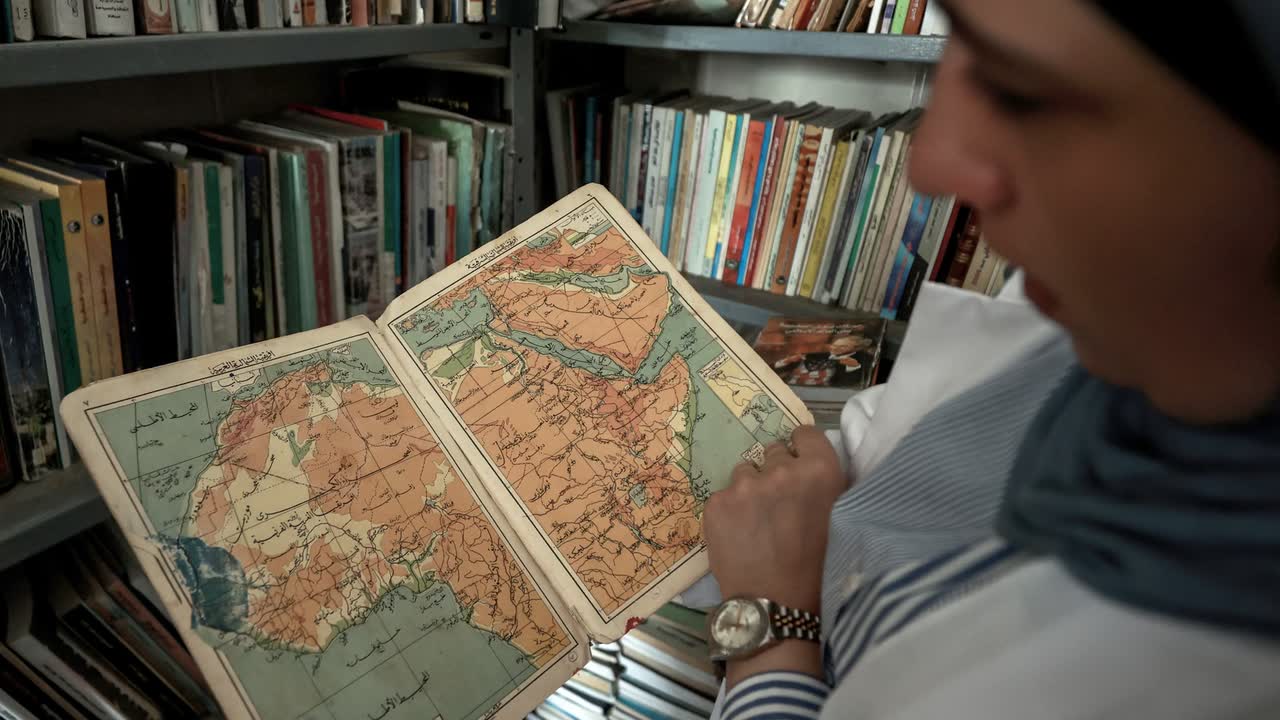
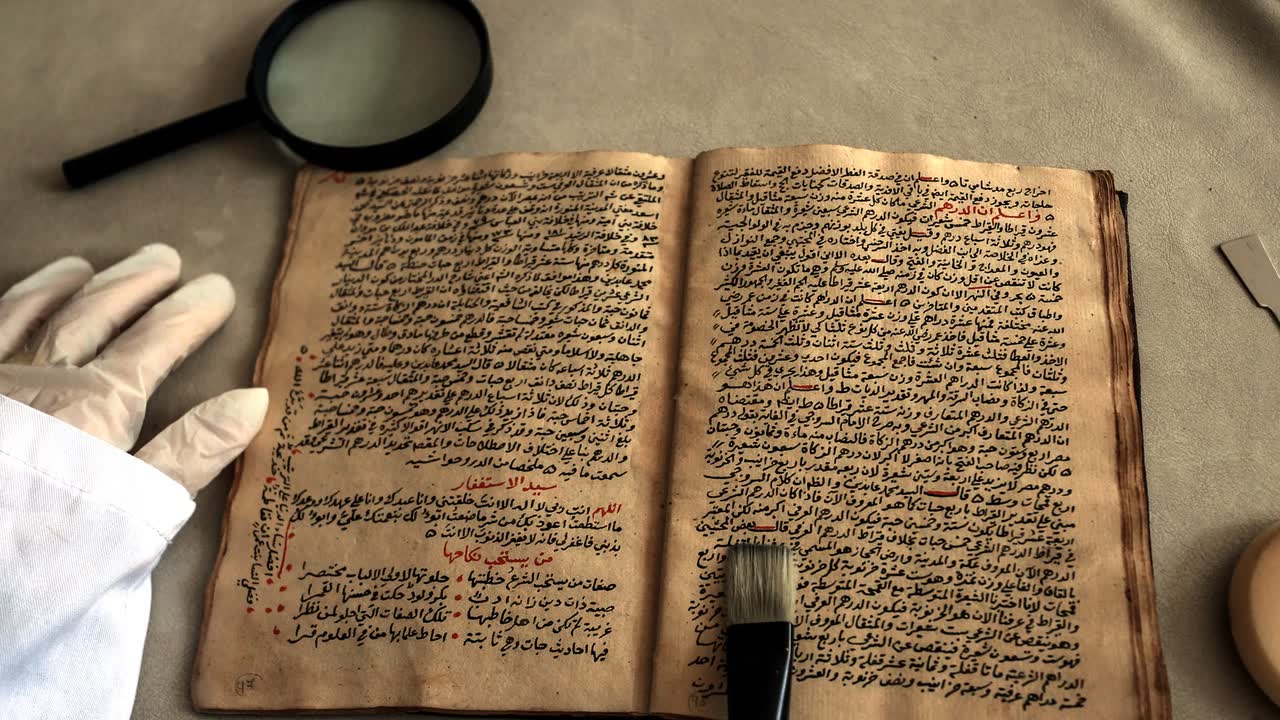
[Placeholder for the editor: two or three sentences introducing the 2023 material — what the collection was, who worked on it, and what the reader is about to look at. Place, date and credit are carried by the captions and must not be repeated here.]

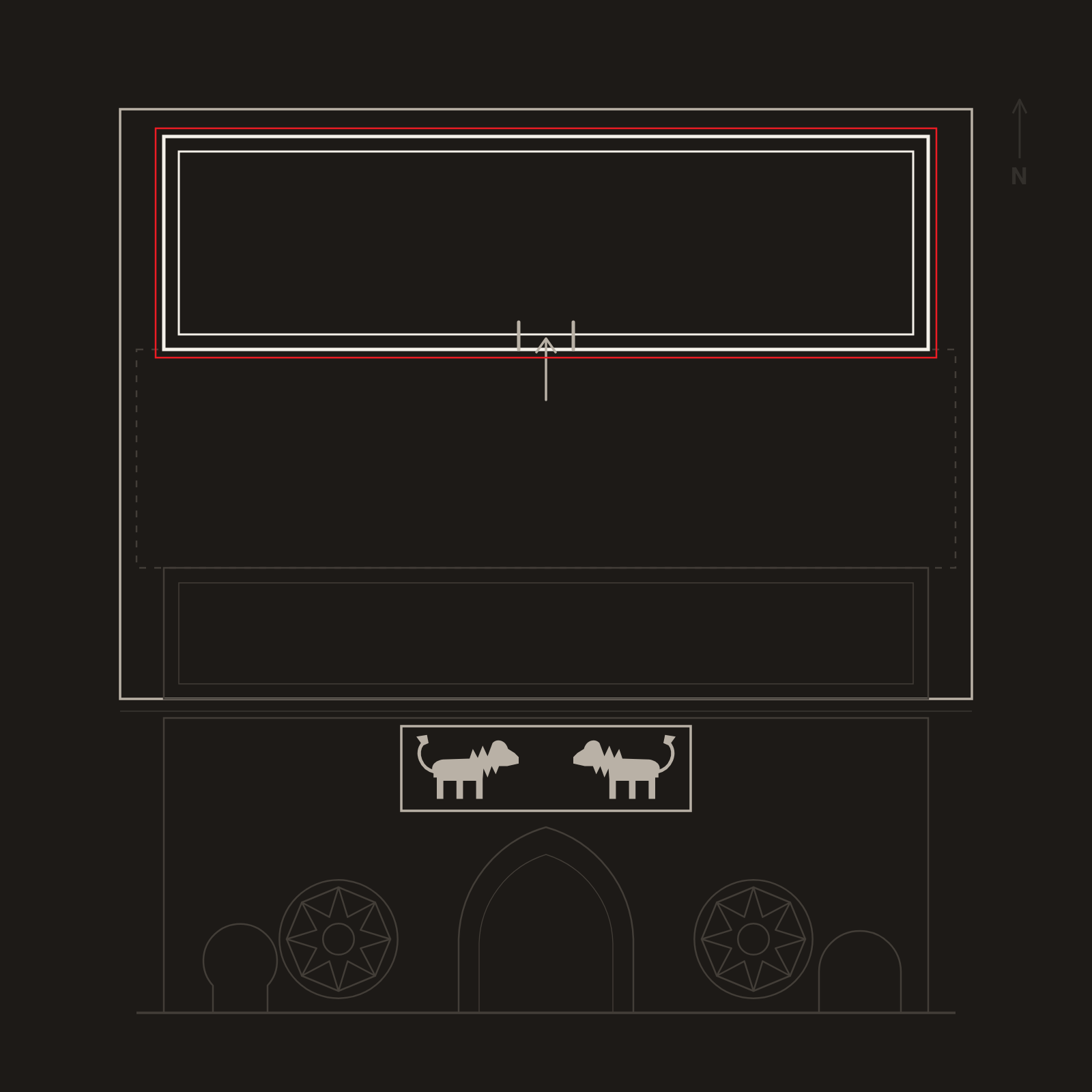
Dar al-Sa‘ada — the Mamluk-period name of the compound in the Daraj quarter of Gaza City's Old City. [Placeholder for the editor: replace this paragraph with your own reporting, 40 to 70 words. The drawing beside it is a schematic drawn for this template, not commissioned artwork.]
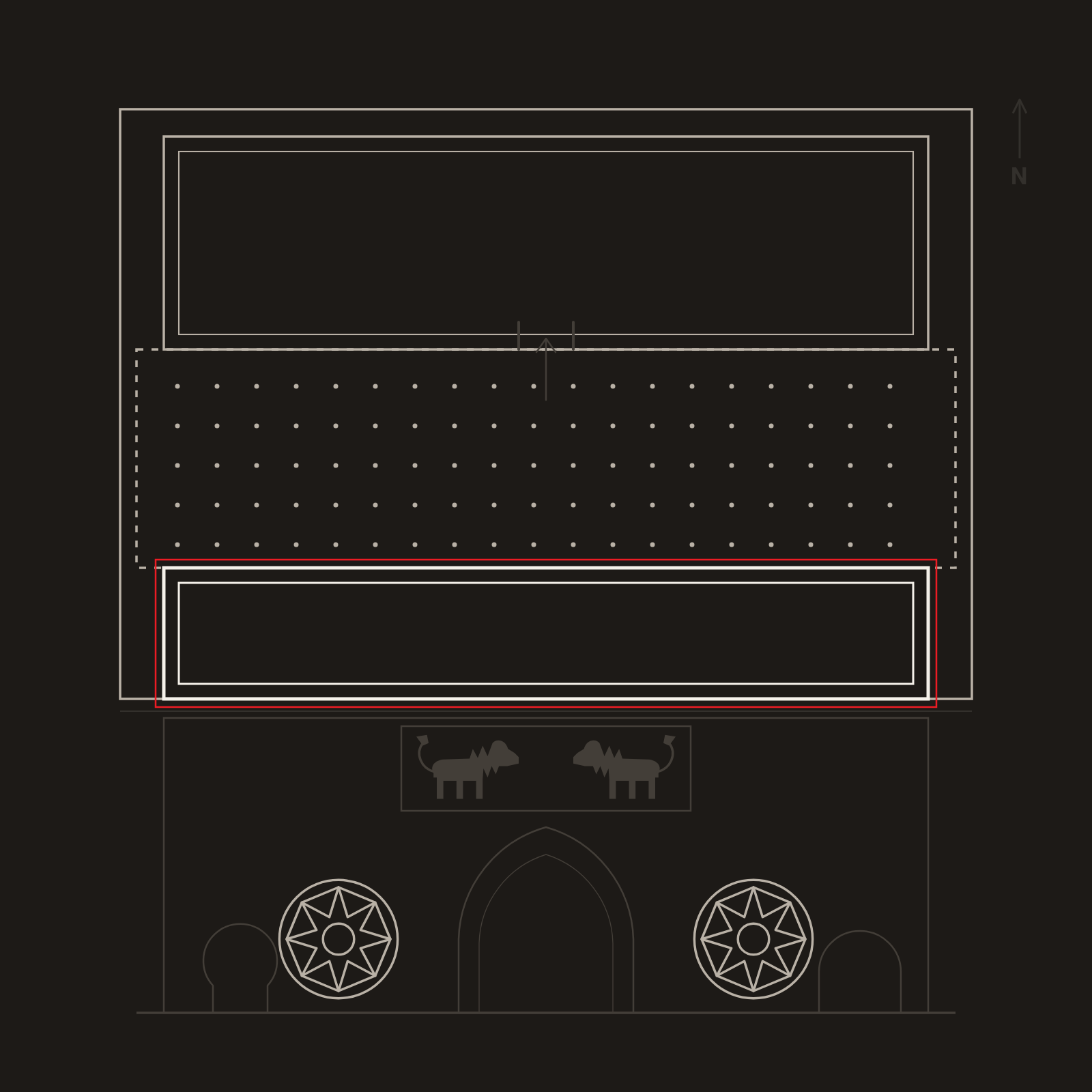
Qasr Al Radwan — the Ottoman-period name, after the family who held it between 1556 and 1690. [Placeholder for the editor: the sequence advances by name and era. Any claim about what has happened to a site belongs in the reporting, attributed to a named source, and never in a template.]
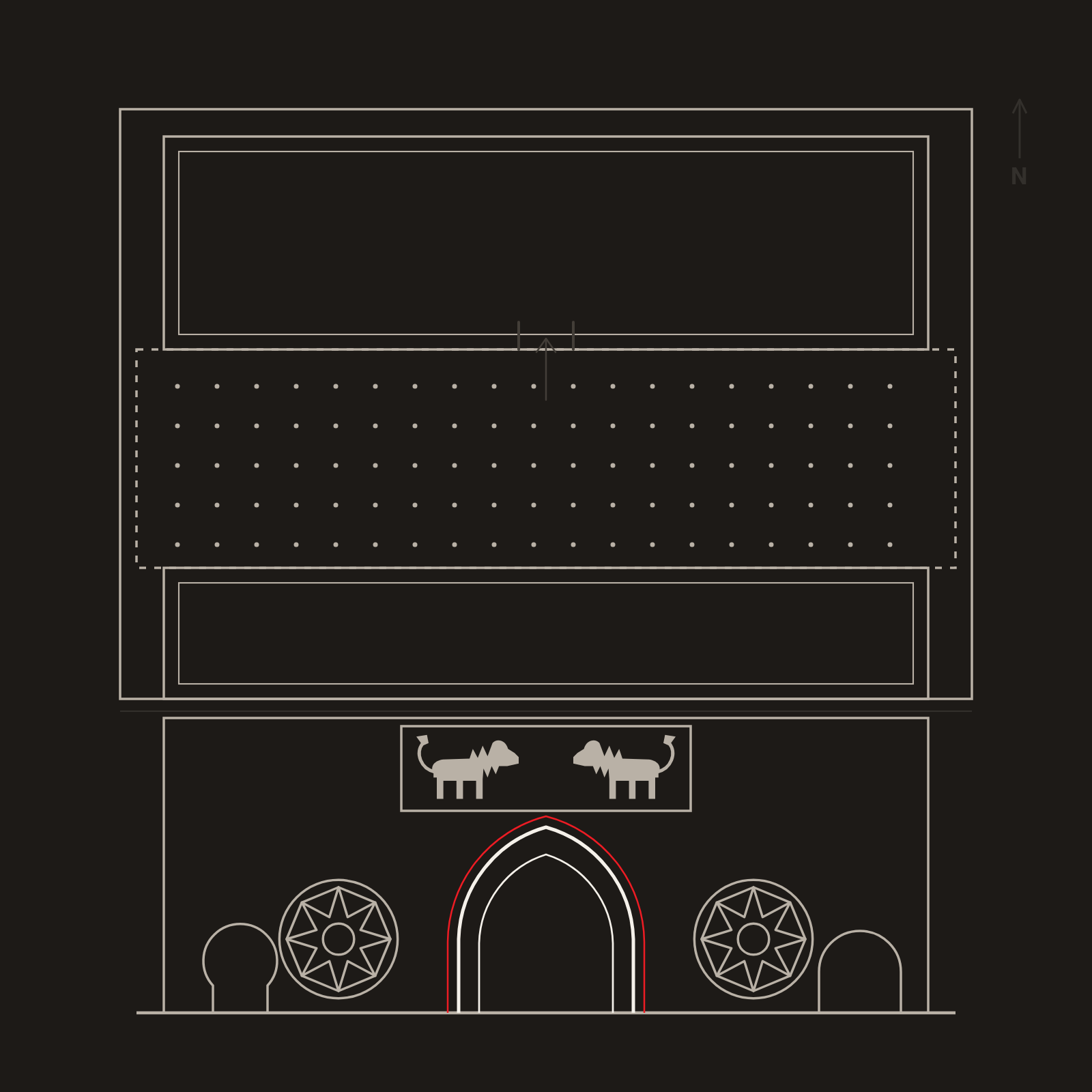
Later uses — a French occupation in 1799, a British police station from 1918, and a school under Egyptian administration. [Placeholder for the editor: three to five steps per sequence. Beyond five, readers scroll past; break it into a second sequence with its own heading.]
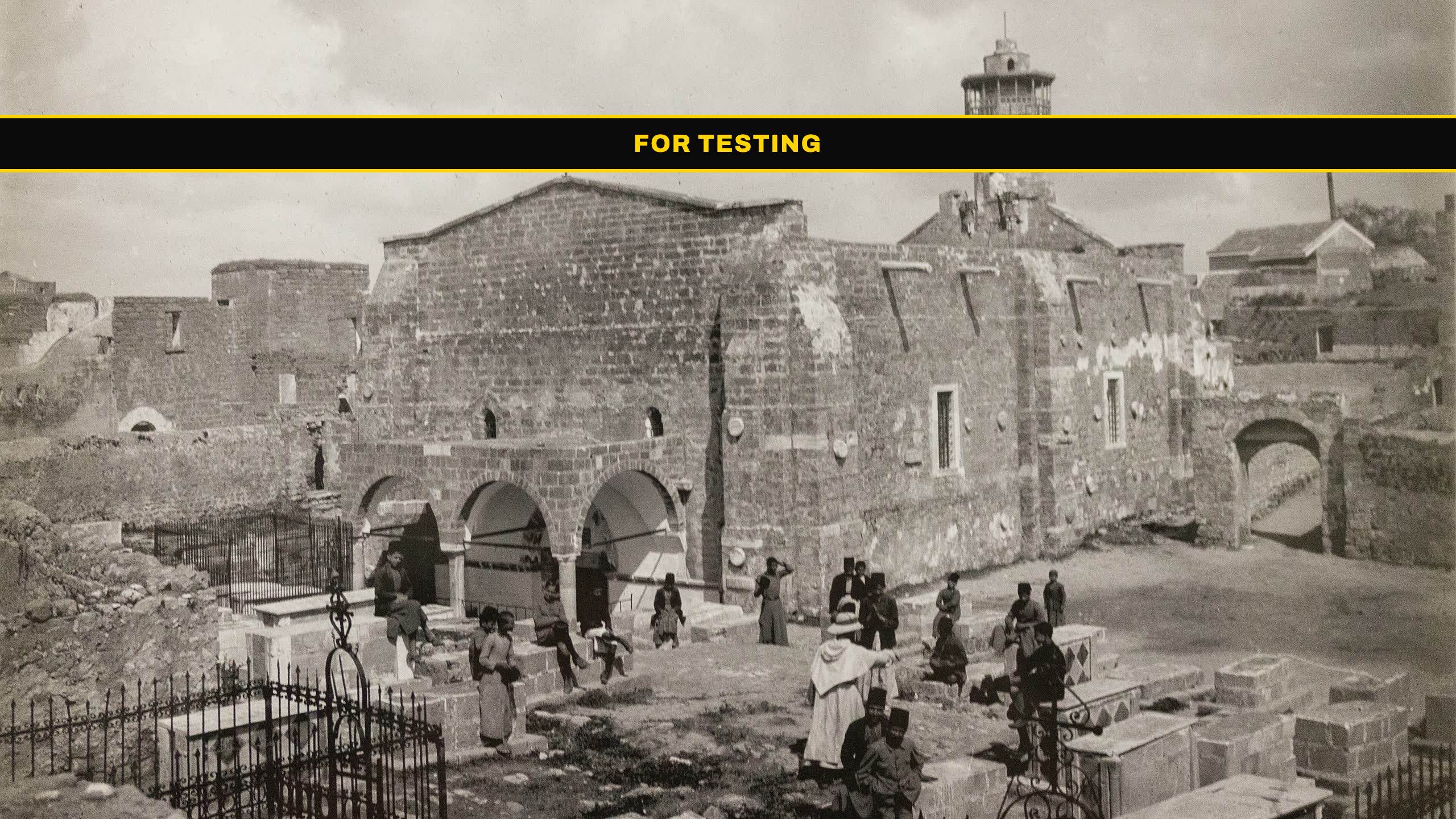
Church of Saint Porphyrius, Gaza City, photographed in 1922. Raphaël Savignac, École biblique et archéologique française de Jérusalem. Public domain, via Wikimedia Commons.
Placeholder artwork · diagrammatic, not surveyed · awaiting a commissioned illustration · 6 tiles, 2400 × 1500 each
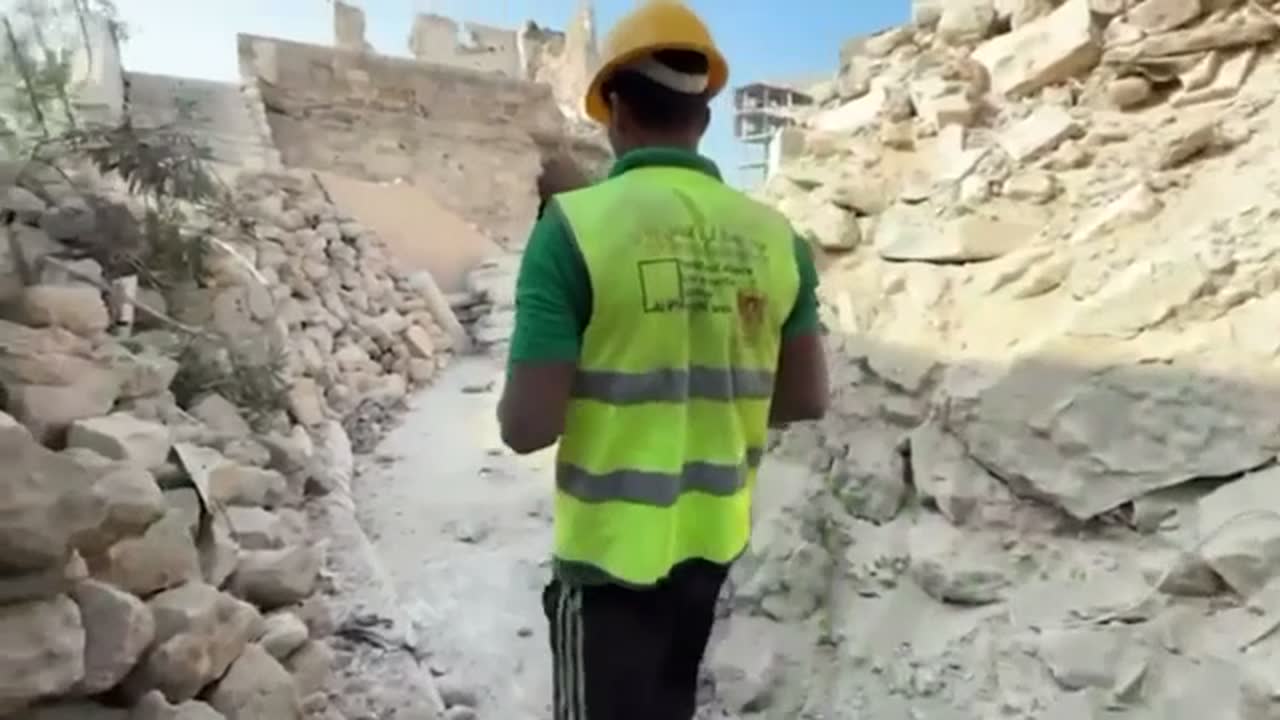
The block above is the primary treatment: Anadolu Agency's own footage, self-hosted, no third-party player. This one is for material AA cannot host — it stays a local poster and a button until the reader presses play, and requests nothing from Google before that.
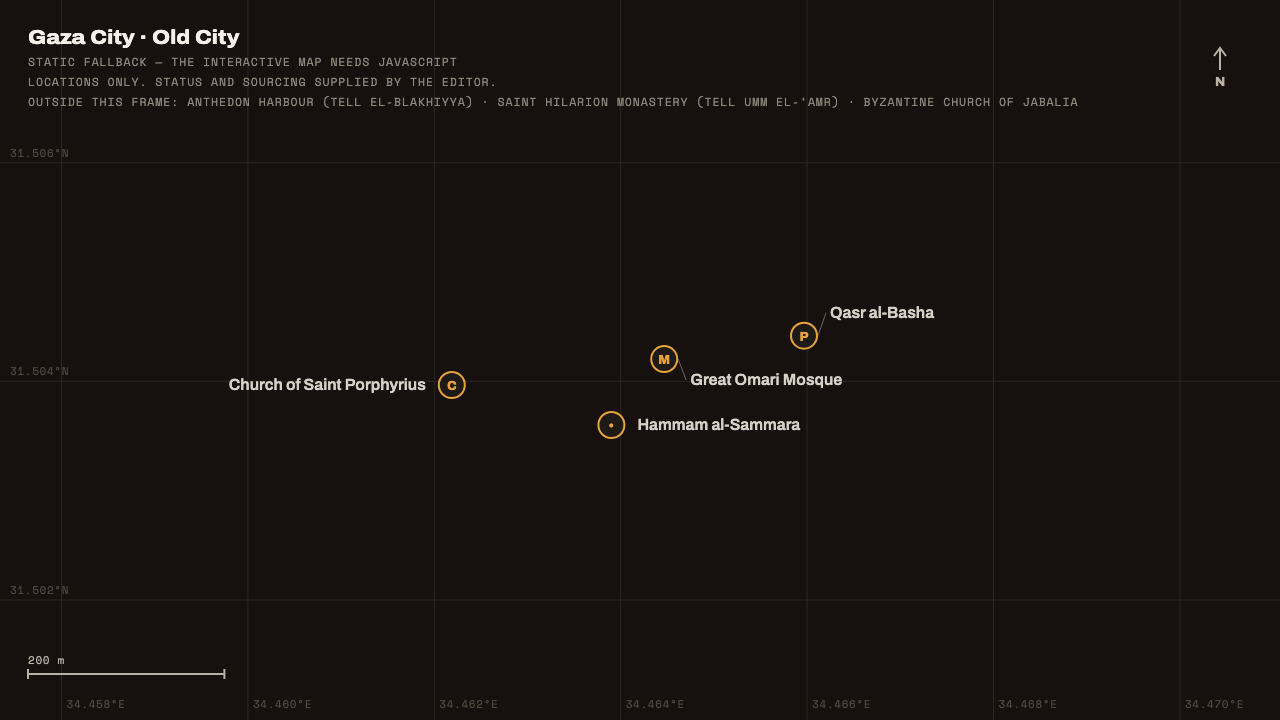
[Placeholder for the editor: one or two sentences setting up what the graphic shows and why it is here. Do not restate the graphic — a caption that repeats the artwork wastes the only line a reader will certainly read.]
Qasr al-Basha under five names
The building's documented succession of names and uses, in order. The axis is not spaced by date.

The block above is a file. This one is a document of ours in an iframe — the treatment for a chart a reader explores rather than reads. It carries the same five stops, and if it does not load, the graphic above is what stays on the page.
Qasr al-Basha under five names, to explore
Select a stop to read its era. Documented order; the sequence is not spaced by date.
[Placeholder for the editor: introduce the clip in one or two sentences — who is speaking, where, and when it was recorded. Everything a listener needs before they press play.]
0:00 / 0:45
[Placeholder transcript. The transcript is mandatory and it is part of this block, not a link away from it. It is live text, so it is selectable, searchable, translatable and read by a screen reader — and it is reachable without playing a second of audio.]
[Editor: replace this with the full transcript, speaker-labelled, in reading order. Never invent testimony, and never paraphrase a speaker here. If a transcript is not ready, the clip does not ship.]
[Placeholder for the editor: introduce the speaker in one or two sentences — name, title, affiliation, and where and when this was recorded. None of that is on the page yet because none of it has been supplied; it must come from the desk and never from the footage.]
Placeholder — not a transcript. No one has been quoted here and nothing below was heard on the recording. The real transcript arrives with the master and the speaker release.
[Editor: the full transcript goes here, speaker-labelled, in reading order. It is live text so it is selectable, searchable, translatable and read aloud by a screen reader, and it is reachable without playing a second of the interview. Never paraphrase from the audio to fill a gap — if the transcript is not ready, the clip does not ship.]
Placeholder — layout test only
Forty to sixty words on what this person controls and how they connect to the others on this page. One fact per sentence.
Placeholder — layout test only
Portraits desaturate until hover. Keep the grid to six or nine cards; beyond that the reader stops reading and starts skimming faces.
Placeholder — layout test only
Every claim in a card needs to be traceable to something in the reporting file. The cards are where unsourced assertions creep in.
No portraitRights not cleared
Placeholder — no image
If a card has no verified portrait, leave the block empty rather than substituting a stock image. Empty is honest, and this is what it looks like beside three filled cards.
The last chapter returns to whoever the story opened with, and answers the question the standfirst asked. No summary, no moral. The final paragraph should be the one the reader quotes when they send the link on.